
04 May 2023

WELCOME TO
At Greene’s College Oxford, our educational philosophy is based on one simple assumption: if students’ education is tailored to suit their unique qualities and needs, they are more likely to be successful.
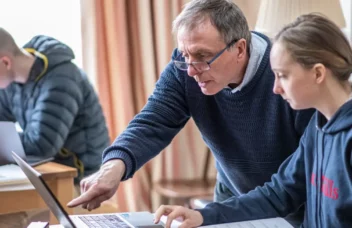
Study at Greene’s College Oxford blends small group or individual tutorials, dynamic feedback on learning, and one-to-one weekly Personal Tutoring sessions to ensure all students have personalised guidance.
Our approach to education is based on the principles of the tutorial method of learning, and fosters confidence, responsibility, and independence in our students. Students have access to inspirational tutors, academic mentors, and online learning resource, Greene’s Online, at any time, regardless of their location.
The wider curriculum includes regular Leadership sessions to prepare students for their future careers alongside a wide variety of student-led societies.
Speak with our team to find out how we can help you design your education and transform your future.
Get in touch to find out more.
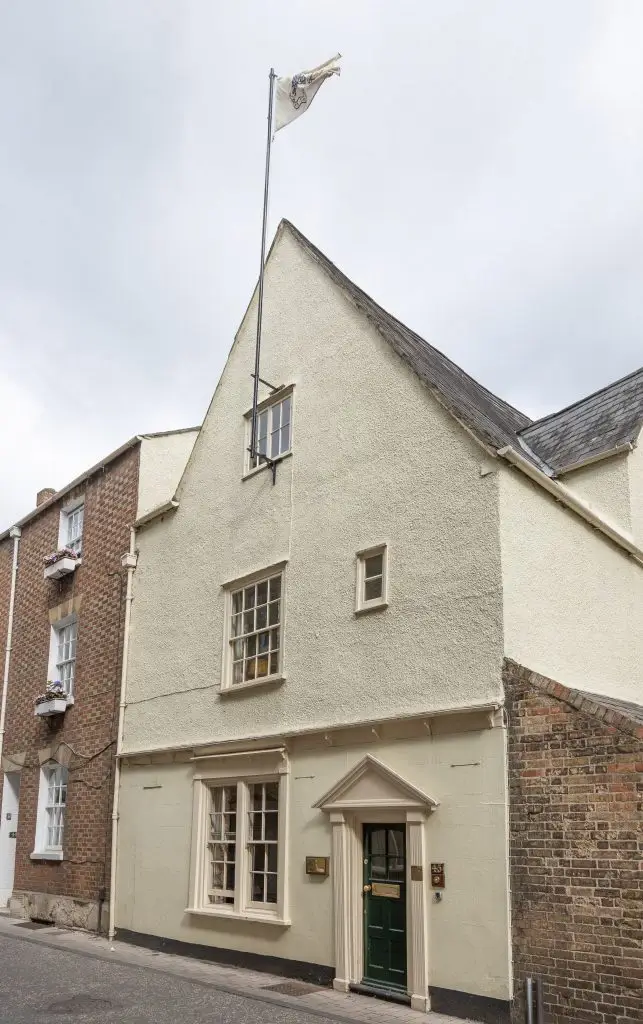
Times change: values endure.


Sour results? Let’s make lemonade. 92% of Greene’s A level retakes improve by at least two grades.
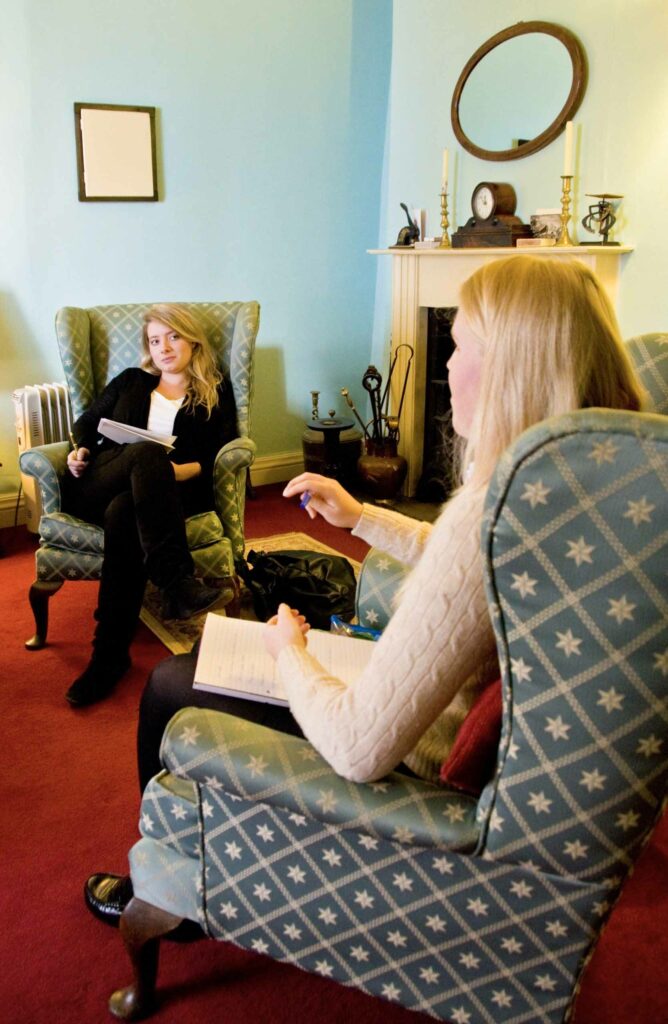

Greene’s College Oxford invites students to enrol at any time throughout the year, liberating students from a one-size-fits-all curriculum, as well as the fixed academic calendar. Our students are encouraged to identify clearly their academic goals and take strategic steps to achieve them. This means enrolling in the courses that support their objectives, and none of the classes that do not.
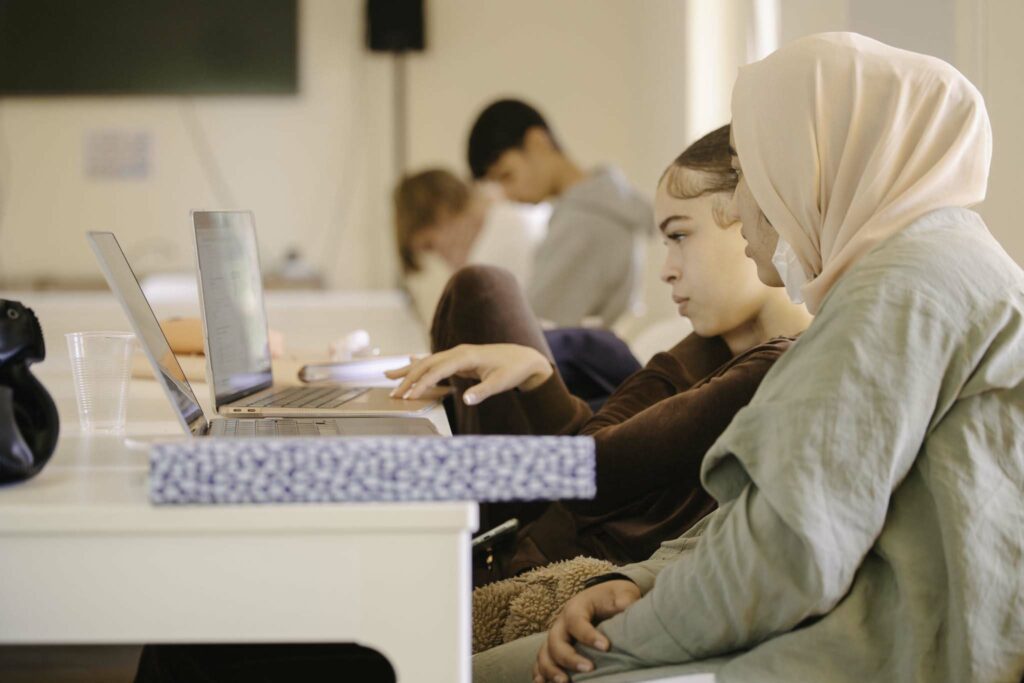

Students at Greene’s College Oxford have access to Greene’s Online, a custom-built online platform, where they can upload their work and review their assessments. Students receive live feedback and can track their progress independently in their own time. Study is in person or online, so geography will not limit academic development.
Learning can take place in our campus in Oxford, UK, or online from anywhere in the world. You can also make use of our campuses in Estoril and Lisbon, Portugal as online study spaces.
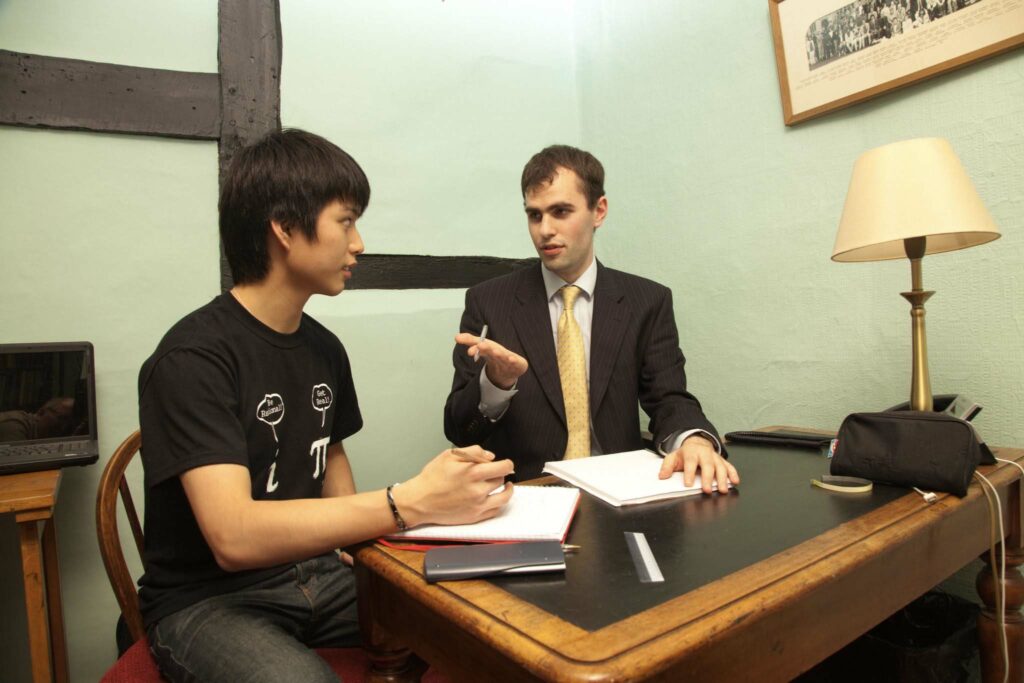

We teach through the tutorial method to encourage analytical and creative thinking. This approach to learning is defined by small group tuition, taught in the Socratic style, with an emphasis on independent study. Our students find they can retain more information when guided by their own curiosity – and it provides a more seamless transition from A levels to university life.


We work with only the very best academic tutors. Each one has achieved academic excellence in their field and every tutorial radiates this enthusiasm. Our tutors are selected for their ability to convey the required information in a meaningful manner and, with the help of our Personal Tutors, they inspire students to seek answers for themselves. With almost 55 years’ experience, Greene’s has the tools to empower students to succeed.
Your Goals - Our Expertise











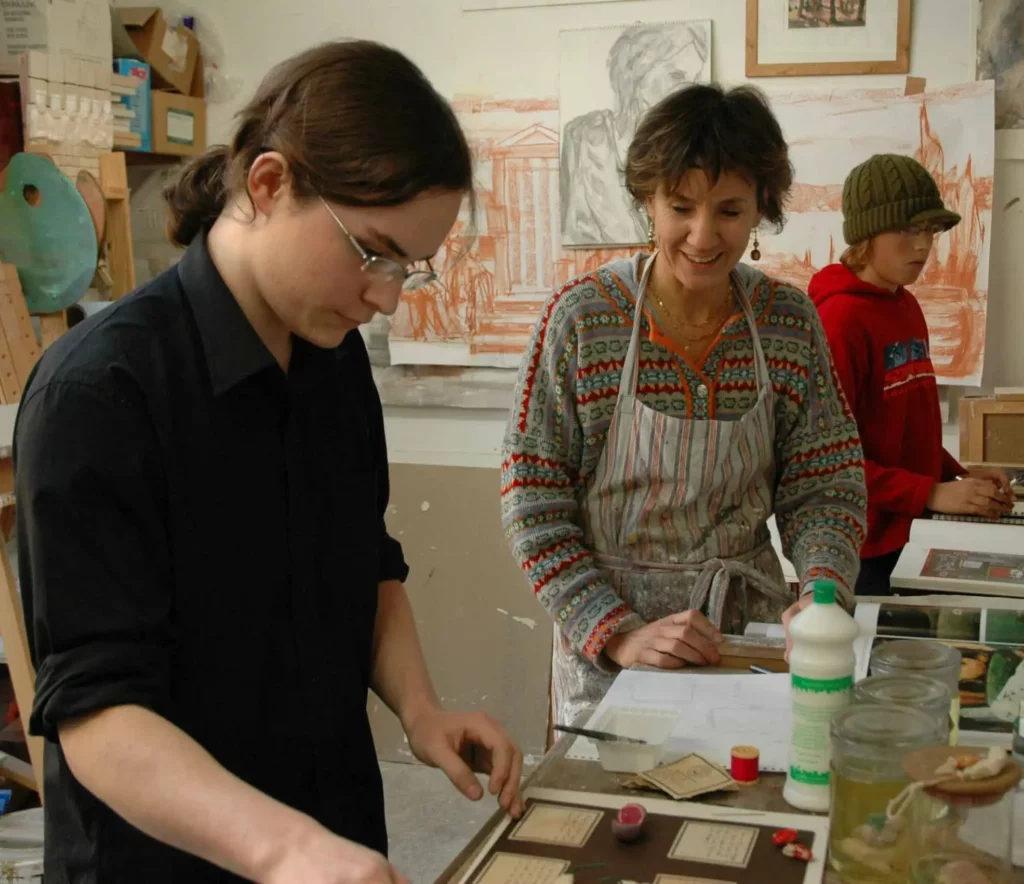
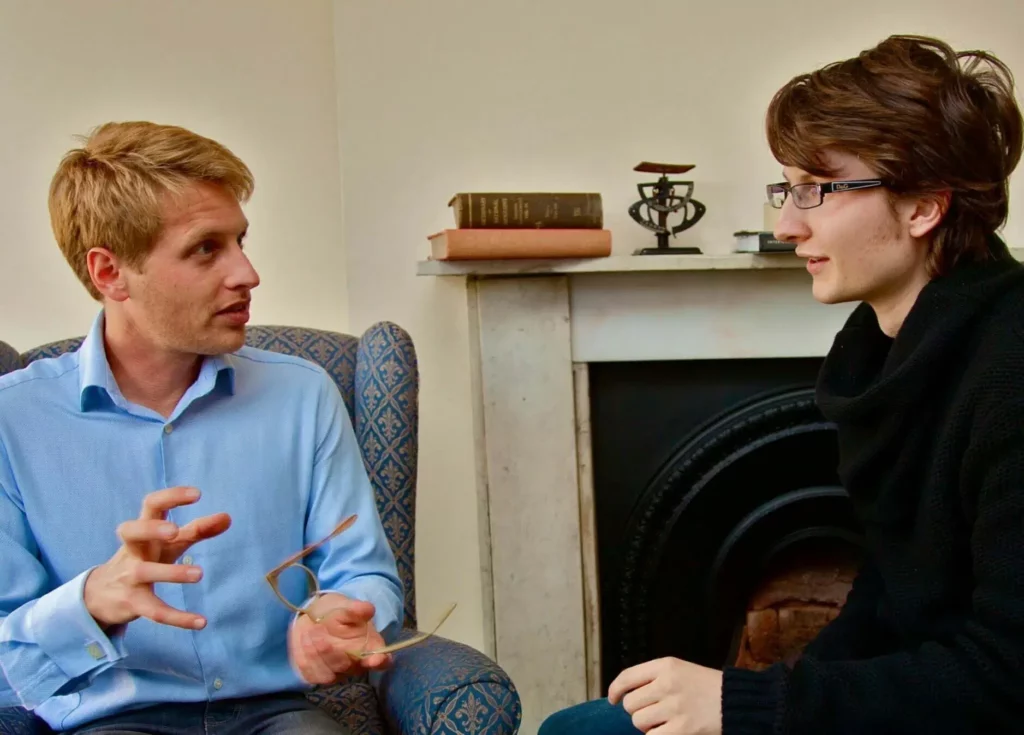





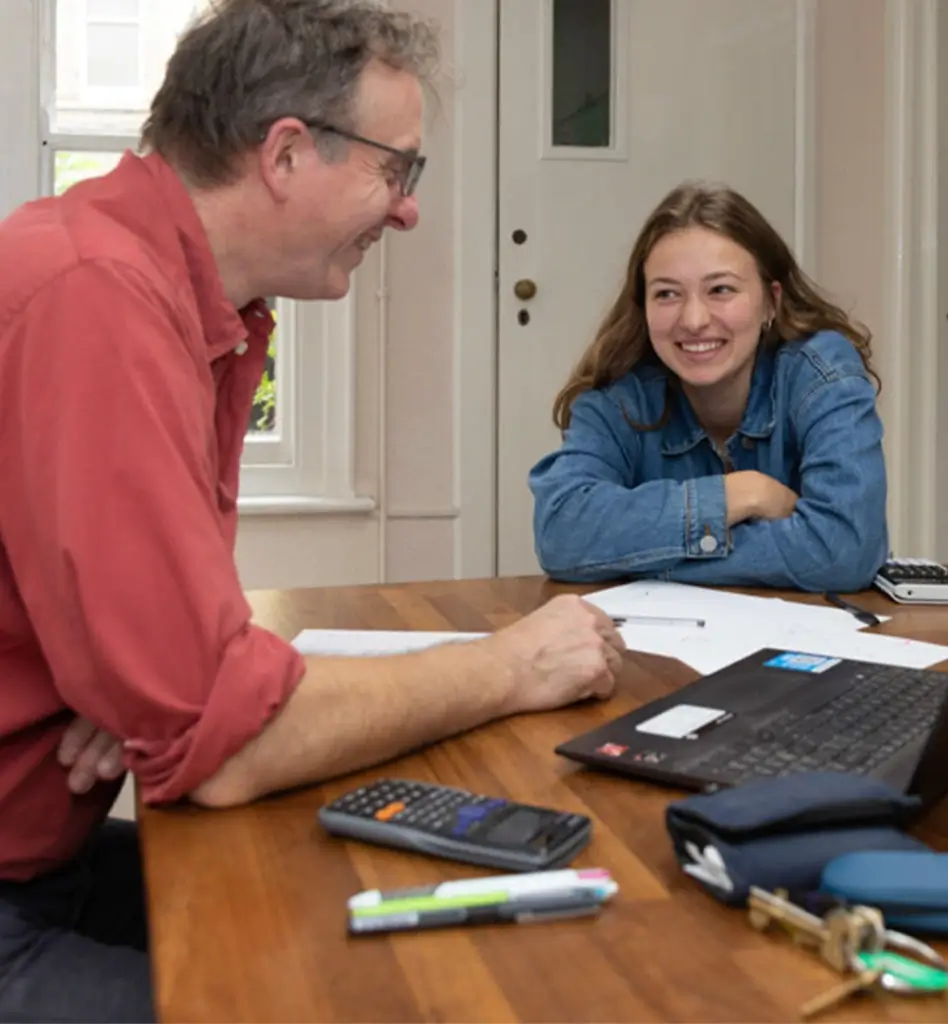
Your education - our expertise
IN UNCERTAIN TIMES, QUALITY COUNTS
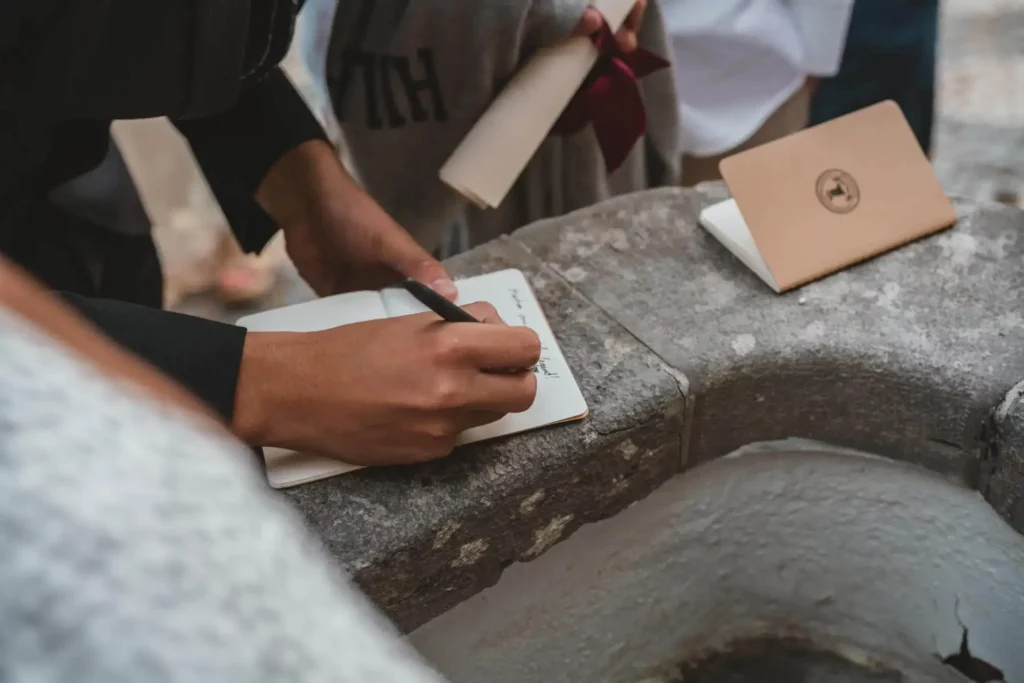
Learning without boundaries.
Trying to fit in? One size doesn’t fit all.
Create your personal prospectus by selecting your interests.
This link will take you to Greene’s International
Proceed